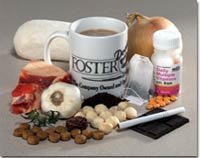
Some foods which are edible for humans, and even other species of animals, can pose hazards for dogs because of their different metabolism. Some may cause only mild digestive upsets, whereas, others can cause severe illness, and even death. The following common food items should not be fed (intentionally or unintentionally) to dogs. This list is, of course, incomplete because we can not possibly list everything your dog should not eat.
"Xylitol is a sweetener that's gaining in popularity because of its dental benefits for people as well as its suitability as a sugar substitute for people with diabetes. Unfortunately, while xylitol appears to be perfectly safe for people, it is extremely dangerous for dogs — even in small quantities." More
Items to avoid |
Reasons to avoid |
|---|---|
| Alcoholic beverages | Can cause intoxication, coma, and death. |
| Baby food | Can contain onion powder, which can be toxic to dogs. (Please see onion below.) Can also result in nutritional deficiencies, if fed in large amounts. |
| Bones from fish, poultry, or other meat sources | Can cause obstruction or laceration of the digestive system. |
| Cat food | Generally too high in protein and fats. |
| Chocolate, coffee, tea, and other caffeine | Contain caffeine, theobromine, or theophylline, which can be toxic and affect the heart and nervous systems. |
| Citrus oil extracts | Can cause vomiting. |
| Fat trimmings | Can cause pancreatitis. |
| Grapes and raisins | Contain an unknown toxin, which can damage the kidneys. |
| Hops | Unknown compound causes panting, increased heart rate, elevated temperature, seizures, and death. |
| Human vitamin supplements containing iron | Can damage the lining of the digestive system and be toxic to the other organs including the liver and kidneys. |
| Large amounts of liver | Can cause Vitamin A toxicity, which affects muscles and bones. |
| Macadamia nuts | Contain an unknown toxin, which can affect the digestive and nervous systems and muscle. |
| Marijuana | Can depress the nervous system, cause vomiting, and changes in the heart rate. |
| Milk and other dairy products | Some adult dogs and cats do not have sufficient amounts of the enzyme lactase, which breaks down the lactose in milk. This can result in diarrhea. Lactose-free milk products are available for pets. |
| Moldy or spoiled food, garbage | Can contain multiple toxins causing vomiting and diarrhea and can also affect other organs. |
| Mushrooms | Can contain toxins, which may affect multiple systems in the body, cause shock, and result in death. |
| Onions and garlic (raw, cooked, or powder) | Contain sulfoxides and disulfides, which can damage red blood cells and cause anemia.Cats are more susceptible than dogs. Garlic is less toxic than onions. |
| Persimmons | Seeds can cause intestinal obstruction and enteritis. |
| Pits from peaches and plums | Can cause obstruction of the digestive tract. |
| Potato, rhubarb, and tomato leaves; potato and tomato stems | Contain oxalates, which can affect the digestive, nervous, and urinary systems. This is more of a problem in livestock. |
| Raw eggs | Contain an enzyme called avidin, which decreases the absorption of biotin (a B vitamin). This can lead to skin and hair coat problems. Raw eggs may also contain Salmonella. |
| Raw fish | Can result in a thiamine (a B vitamin) deficiency leading to loss of appetite, seizures, and in severe cases, death. More common if raw fish is fed regularly. |
| Salt | If eaten in large quantities it may lead to electrolyte imbalances. |
| String | Can become trapped in the digestive system; called a "string foreign body." |
| Sugary foods | Can lead to obesity, dental problems, and possibly diabetes mellitus. |
| Table scraps (in large amounts) | Table scraps are not nutritionally balanced. They should never be more than 10% of the diet. Fat should be trimmed from meat; bones should not be fed. |
| Tobacco | Contains nicotine, which affects the digestive and nervous systems. Can result in rapid heart beat, collapse, coma, and death. |
| Xylitol | A natural low-cal sweetener derived from birchwood that's found in many chewing gums. |
| Yeast dough | Can expand and produce gas in the digestive system, causing pain and possible rupture of the stomach or intestines. |
Above list based on information obtained from Dr. Foster and Dr. Smith's Websites.
There are many common foods, plants and flowers that can be very toxic to your dog.
Below you'll find a list of the most common types:* Indicates that a substance is especially dangerous and can be fatal.
| Alcohol (all beverages, ethanol, methanol, isopropyl) Almonds* Amarylis bulb* Apricot* Autumn crocus (Colchicum autumnale)* Avocado (leaves, seeds, stem, skin)* Azalea (entire rhododendron family) Begonia* Bird of Paradise Bittersweet Bleeding heart* Boxwood Bracken fern Buckeye Buttercup (Ranunculus) Caffeine Caladium* Calla lily* Castor bean* (can be fatal if chewed) Cherry Chinese sacred or heavenly bamboo* Chocolate Choke cherry (unripe berries)* Chrysanthemum (a natural source of pyrethrins) Clematis Crocus bulb Croton (Codiaeum sp.) Cyclamen bulb Daffodil (Narcissus) Delphenium Dumb cane (Dieffenbachia)* Elderberry (unripe berries) English ivy (All Hedera species of ivy) Fig (Ficus) Four-o'clocks (Mirabilis) Foxglove (Digitalis) Garlic* Hyacinth bulbs Hydrangea* Holly berries |
Iris corms Jack-in-the-pulpit* Jimson weed* Kalanchoe* Lantana* larkspur Lily (bulbs of most species) Lily-of-the-valley Lupine species Marijuana or hemp (Cannibus)* Milkweed* Mistletoe berries* monkshood* Morning glory* Mountain laurel Narcissus (Daffodil) Oak* (remove bark for use as a bird perch) Oleander* Onions* Peaches* Pencil cactus plant* (Euphorbia sp.) Philodendron (all species)* Poinsettia (many hybrids, avoid them all) Potato (leaves and stem) Rhubarb leaves* Rosary Pea (Arbus sp.)* (Can be fatal if chewed) Scheffelera (umbrella plant) Shamrock (Oxalis sp.)* Spurge (Euphorbia sp.) Tomatoes (leaves and stem) Umbrella Plant (Scheffelera) Yew*. |
Here is a link to some information about the possible problem with a Heartworm Injection
888-232-8870 (TOLL FREE)
For anyone who may not know, the poison control number charges you $35. This goes to pay the vet in case of a phone consult. If you ever have to call, make sure to have credit card ready.
Last updated January 9th 2016